
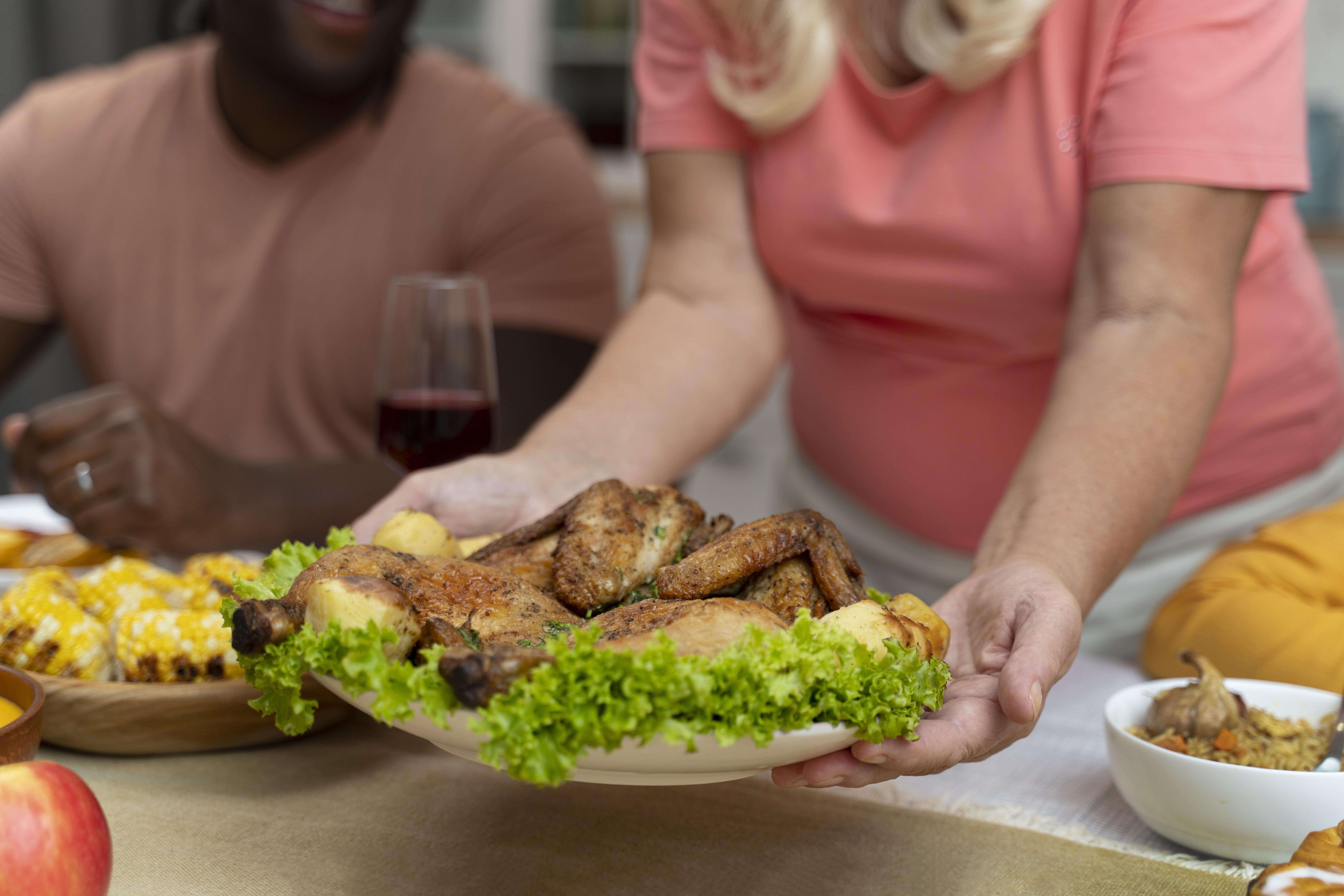
Meat is a central part of Kenyan cuisine. From beef and goat to fish and chicken, every household has a favorite. But when it comes to daily meals and special occasions, chicken has earned the crown as the most popular meat in Kenyan homes. Whether it’s kienyeji chicken slow-cooked in a rich stew, deep-fried drumsticks, or grilled chicken at a family barbecue, this protein has a unique place on Kenyan plates.
So, why do Kenyans love chicken so much? Let’s break it down.
I. Historical and Cultural Significance of Chicken in Kenya
Chicken is more than just food in Kenya—it carries cultural meaning. In many communities:
- A chicken is a symbol of hospitality, often prepared for special guests.
- It plays a role in traditional ceremonies, such as dowry negotiations or family gatherings.
- Kienyeji (free-range) chicken is considered a delicacy and is highly valued compared to broiler chicken.
- During festive seasons like Christmas, weddings, or birthdays, chicken dishes almost always appear on the table.
This cultural attachment makes chicken not just a meal, but a representation of tradition, respect, and family togetherness.
II. Affordability and Accessibility
Another big reason why chicken dominates Kenyan homes is affordability.
- Cost Factor
- Compared to goat or beef, chicken—especially broilers—is often more affordable.
- Families can buy a whole chicken or even smaller portions like wings or drumsticks depending on their budget.
- Availability
- Poultry farming is widespread in both rural and urban areas, making chicken readily available.
- You can find it in local markets, supermarkets, butcheries, and now even online butcheries like Dialakuku, which deliver fresh chicken right to your door.
This affordability and accessibility ensure that chicken fits into both everyday meals and festive celebrations.
III. Versatility in Cooking
Chicken is loved because it’s one of the most versatile meats. You can:
- Grill it for a barbecue.
- Deep fry for crunchy chicken wings.
- Boil it for a healthy soup.
- Stew it kienyeji-style for a traditional Kenyan family meal.
- Roast it for holidays and gatherings.
It pairs well with ugali, rice, chapati, potatoes, or vegetables—meaning no matter what’s in the kitchen, chicken can always fit in. From quick weekday meals to elaborate feasts, chicken never disappoints.
IV. Health and Nutrition Advantages
Kenyans are becoming more health-conscious, and chicken has a strong advantage here. Compared to beef or goat, chicken is:
- Low in Fat & Cholesterol: Skinless chicken breast, in particular, is lean and heart-friendly.
- High in Protein: Perfect for muscle growth, body repair, and keeping you full for longer.
- Packed with Vitamins & Minerals: B vitamins for energy, zinc for immunity, selenium for thyroid health, and phosphorus for strong bones.
- Easy to Digest: Especially suitable for children, the elderly, or anyone with sensitive digestion.
This makes chicken the healthier everyday choice, balancing nutrition with taste.
V. Family and Lifestyle Preferences
Chicken is a family-friendly meat because it’s soft, tasty, and easy to portion.
- Kids love it for its flavor and tenderness.
- It’s a safe choice because almost everyone in the family enjoys it—unlike goat, which can be too tough, or fish, which some avoid because of bones.
- It fits into different lifestyles—whether you’re a health-conscious eater, a gym-goer, or someone who just enjoys nyama choma weekends.
- Families can buy specific cuts (wings, thighs, drumsticks, breasts) to suit different tastes.
VI. Chicken in Kenyan Celebrations and Social Life
Chicken is at the heart of Kenyan celebrations.
- In the nyama choma culture, chicken sits proudly alongside goat and beef.
- During Christmas, weddings, birthdays, or national holidays, chicken dishes are almost guaranteed.
- It has a strong emotional connection—a dish that brings families and friends together.
In short, chicken is not just everyday food—it’s also celebration food.
VII. Rise of Online Chicken Shopping in Kenya
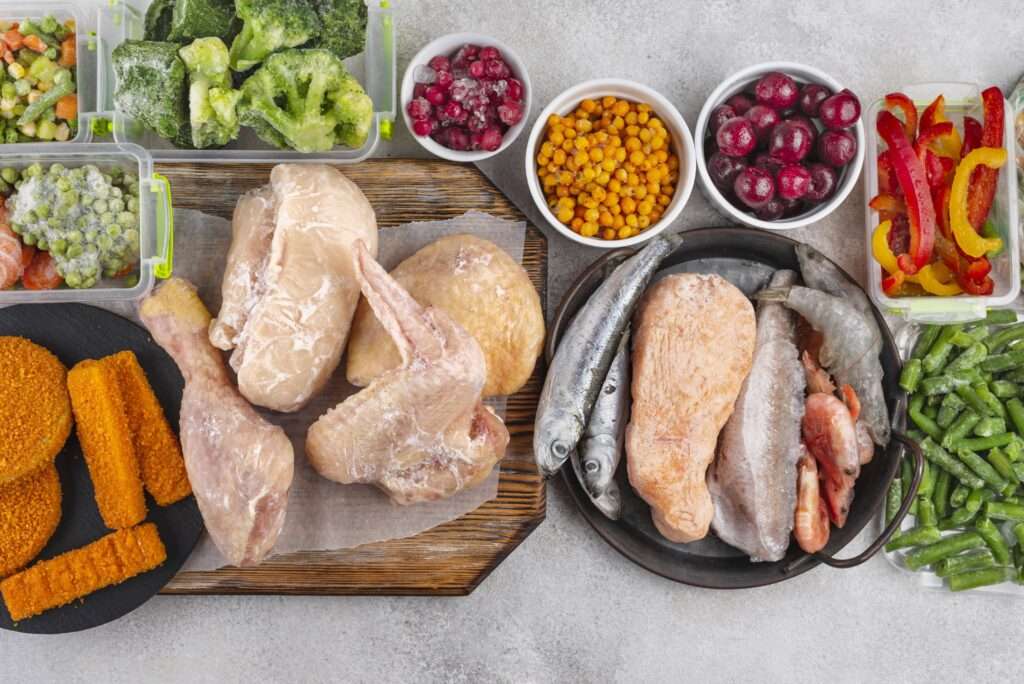
Modern lifestyles have made convenience a priority. Busy urban families don’t always have time to visit butcheries or markets. This is where online butcheries like Dialakuku come in.
- They provide fresh, high-quality chicken delivered straight to your doorstep.
- Customers can choose cuts (whole, fillet, drumsticks, wings, etc.) without hassle.
- Online shopping ensures time savings, quality, and hygiene, which is a big win for modern households.
This shift to digital shopping is only making chicken even more popular and accessible.
VIII. Challenges and Competition with Other Meats
Of course, chicken isn’t the only loved meat in Kenya:
- Beef remains a top choice in nyama choma joints.
- Goat is preferred for special feasts and cultural events.
- Fish is dominant in regions near Lake Victoria and coastal areas.
But chicken still wins because it cuts across all demographics, regions, and occasions—it’s the universal meat for Kenyans.
IX. Conclusion
Chicken is the undisputed favorite meat in Kenyan homes because it blends cultural importance, affordability, versatility, nutrition, and convenience. It’s the one meat that can easily transition from a weekday family dinner to a festive holiday feast.
At Dialakuku, we make enjoying chicken even easier by delivering fresh, quality chicken to your doorstep. Whether you’re planning a traditional kienyeji stew, a quick fried chicken meal, or a weekend barbecue, chicken remains the go-to choice for Kenyan families.